



Do Recliner Sofas Break Easily?
A recliner Sofa is designed to do more than a standard sofa. It carries body weight in multiple positions, moves through repeated cycles every day, and relies on a coordinated system of frames, joints, reclining mechanisms, and upholstery. Because it has moving parts, many buyers assume a Recliner Sofa must be fragile. In reality, a recliner sofa does not break easily when the structure and mechanism are engineered for long-term use, and when the product is matched to the right environment and usage habits.
This guide explains what causes recliner sofas to fail, how to spot a durable build before you buy, and what maintenance and usage practices prevent early damage. It also clarifies how manufacturers like HANHAN approach quality control and structural design for recliner seating.
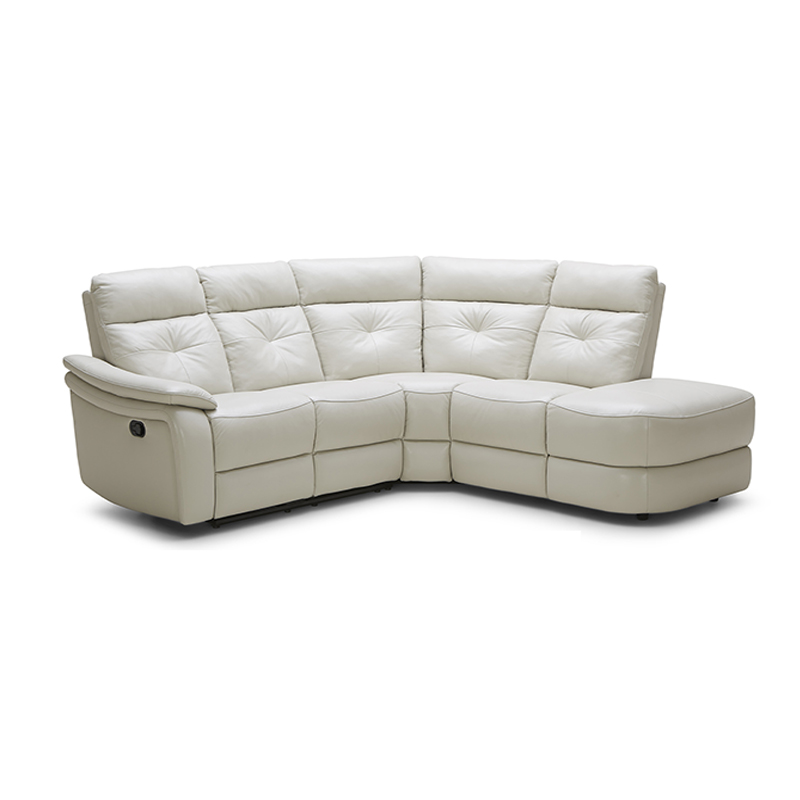
The honest answer: a recliner sofa can be very durable, but only if key components are built right
Most recliner sofa failures come from predictable weak points rather than the reclining function itself. A strong recliner sofa depends on five fundamentals:
A rigid frame that stays square under shifting load
Reinforced joints that do not loosen with vibration and repeated use
A stable reclining mechanism with controlled motion and secure mounting points
Seat support that resists sagging, especially in high-use seats
Upholstery and stitching that hold up to friction, oils, and cleaning routines
If any one of these fundamentals is underbuilt, the sofa may develop wobble, noise, uneven reclining, or structural cracks over time. If all five are handled correctly, a recliner sofa is one of the most comfortable and reliable seating options for everyday living spaces.
For reference, you can review HANHAN’s recliner seating options here: recliner sofa.
Why some recliner sofas fail early
A recliner sofa rarely fails all at once. Most issues start small and progress when they are ignored. These are the break points that matter most.
Frame fatigue and joint loosening
A recliner shifts load forward, backward, and downward. When someone sits, reclines, stands up, and repeats this cycle daily, joints take continuous stress. If the frame is not braced correctly, or if joints are not reinforced, tiny movements turn into wobble, squeaks, and eventually structural cracking.
Mechanism mounting stress
The reclining mechanism is only as strong as how it is mounted to the frame. If mounting points are thin, misaligned, or not evenly supported, force concentrates at a few screws or brackets. Over time, this can cause:
Loose recline positions
Clicking or metal-on-metal noise
Uneven reclining on left vs right seat
Premature wear on linkages
Seat sagging and uneven comfort
Many buyers call this breaking, but it usually starts as seat support fatigue. If the support system under the cushion cannot maintain tension, the seat height drops and the posture angle changes. That can also put additional stress on the recline mechanism because the user’s weight shifts toward the front edge.
Upholstery wear that exposes structure
When cover materials thin out, tear, or seam-split, the padding is exposed and breaks down faster. This does not mean the frame is failing, but it does shorten useful life because comfort drops and maintenance becomes harder.
What to look for when buying a recliner sofa that will not break easily
A showroom test is not enough. You need to evaluate build logic and the parts that carry load. Use the checklist below to assess durability.
1. Frame strength and stability
A durable recliner sofa starts with a frame that stays rigid under twisting. When you sit on one corner and shift your weight, the sofa should not rack or feel like it is flexing. Strong frames typically use well-planned bracing and stable attachment zones where mechanisms connect.
2. Joint reinforcement
Recliners vibrate slightly during motion. That vibration loosens weak joints faster than on stationary sofas. Look for construction that is designed to resist loosening, including reinforced connection points and consistent alignment across left and right seats.
3. Mechanism design and smoothness
A strong mechanism feels controlled. When you recline, the motion should be smooth, not jerky. Jerky movement can indicate friction points, poor alignment, or uneven load distribution. Over time, those issues accelerate wear.
4. Seat support system under the cushions
Ask how the seat is supported. A durable recliner should maintain support in the main sitting zones, especially the most frequently used seat. When support is stable, it reduces stress on the recline mechanism and preserves comfort.
5. Upholstery quality and seam integrity
Pay attention to seam spacing, stitch density, and edge finishing. Recliner seats experience concentrated friction at the seat front, arm edges, and headrest area. A good upholstery build keeps those zones stable and prevents early splitting.
What usually separates long-life recliners from short-life recliners
| Area | More durable build tends to show | Early failure tends to show |
|---|---|---|
| Frame | Rigid feel, stable corners, consistent alignment | Flexing, racking, uneven legs, instability |
| Joints | Reinforced connection zones designed for repeated motion | Loosening, wobble, squeaks after short use |
| Recline mechanism | Smooth controlled motion, stable recline positions | Jerky motion, clicking sounds, uneven recline |
| Seat support | Maintains height and support in main seats | Sagging, sinking, posture tilt, uneven comfort |
| Upholstery | Strong seams, stable high-friction edges | Seam splitting, surface cracking, fast wear zones |
This table is not about luxury branding or price labels. It is about whether a sofa is engineered for motion and daily use.
Usage and environment can make a strong recliner fail faster
Even a well-built recliner can be damaged by mismatched use. These factors often explain why one household gets years of reliable use while another sees problems much sooner.
Heavy daily cycling without rest
If the recliner is used continuously in a high-traffic setting, it experiences more cycles and more heat buildup in friction zones. The solution is not avoiding recliners, but selecting a model built for high-cycle use and maintaining it correctly.
Improper placement and uneven floors
If a sofa sits unevenly, stress concentrates on one side. That stress can cause faster joint loosening and mechanism alignment issues. A stable floor contact and proper leveling matter more for recliners than stationary sofas.
Incorrect reclining habits
Common habits that can accelerate damage include:
Dropping into the seat with full force
Using the footrest as a step or as leverage for standing
Sitting on the footrest or arm as a perch
Forcing the recline position when something is obstructing motion
These habits cause high peak loads that are not part of normal reclining cycles.
Pets, sharp hardware, and abrasive cleaning
Upholstery damage often begins with small scratches or chemical weakening. Once the cover is compromised, foam and support layers wear faster.
How HANHAN focuses on durability in recliner sofa manufacturing
Durability is not one single feature. It is the result of consistent manufacturing control from design to final inspection. HANHAN positions itself as a manufacturer focused on stable quality and export-ready consistency, which matters because recliner sofas are sensitive to tolerance, alignment, and process discipline.
Here are practical manufacturing strengths that reduce failure risks in recliners:
Process-controlled production to keep left and right seats aligned so motion stays balanced
Quality control routines that detect wobble, uneven reclining, or abnormal noise before packing
Material selection strategies that prioritize structural stability and long-term comfort retention
Production experience that supports consistent build across repeat orders for project and wholesale buyers
If you are sourcing for retail programs, hospitality projects, or container orders, consistency matters as much as individual unit strength. That is where an experienced factory approach helps reduce after-sales issues.
Explore product options and configurations here: recliner sofa.
Maintenance steps that prevent most recliner sofa problems
Recliner sofas do not require complicated maintenance, but they do benefit from routine checks. This prevents small issues from becoming structural problems.
Monthly or quarterly checks
Confirm the sofa sits level and stable
Check for new noises during recline motion
Look for looseness in arm areas and seat corners
Inspect high-friction upholstery edges for early wear
Cleaning and care
Remove dust and debris from creases and moving zones
Use cleaning methods suitable for the specific upholstery material
Keep sharp objects and hardware away from seat and arm edges
Avoid harsh solvents that can weaken surface layers
Practical user rules that extend service life
Sit fully on the seat before reclining
Keep feet off the footrest when standing up
Recline smoothly rather than forcing the mechanism
Do not allow children to jump on the seat or footrest
These steps sound basic, but they prevent the exact peak-load events that lead to early failures.
Conclusion
Recliner sofas are not fragile by nature. They only break easily when the frame, joints, mechanism mounting, seat support, or upholstery are underbuilt for the real demands of daily reclining. If you evaluate those fundamentals carefully, choose a model suited to your environment, and follow simple maintenance habits, a recliner sofa can be a dependable long-term investment.
If you are sourcing recliner seating for residential retail, project supply, or repeat wholesale programs, it helps to work with a manufacturer that understands motion tolerance control and consistent production quality. HANHAN’s recliner sofa lineup is built for practical comfort, stable structure, and reliable supply for international buyers.
Previous: Are Reclining Sofas Worth It?