



What Is The Difference Between A Sofa And A Couch?
The terms “Sofa” and “couch” are often used interchangeably in everyday conversation, yet many homeowners, interior designers, and furniture enthusiasts still wonder whether a meaningful difference exists between the two. While both refer to seating furniture designed for comfort and relaxation, their origins, structure, and modern applications reveal distinct nuances. Understanding these differences can help buyers make informed decisions when selecting the right seating for their homes.
At HANHAN, we offer refined, high-quality seating solutions—see our full range here: HANHAN Sofas—designed for comfort, durability, and interior harmony. Whether someone refers to our products as sofas or couches, each piece is crafted with the same attention to detail and modern craftsmanship.
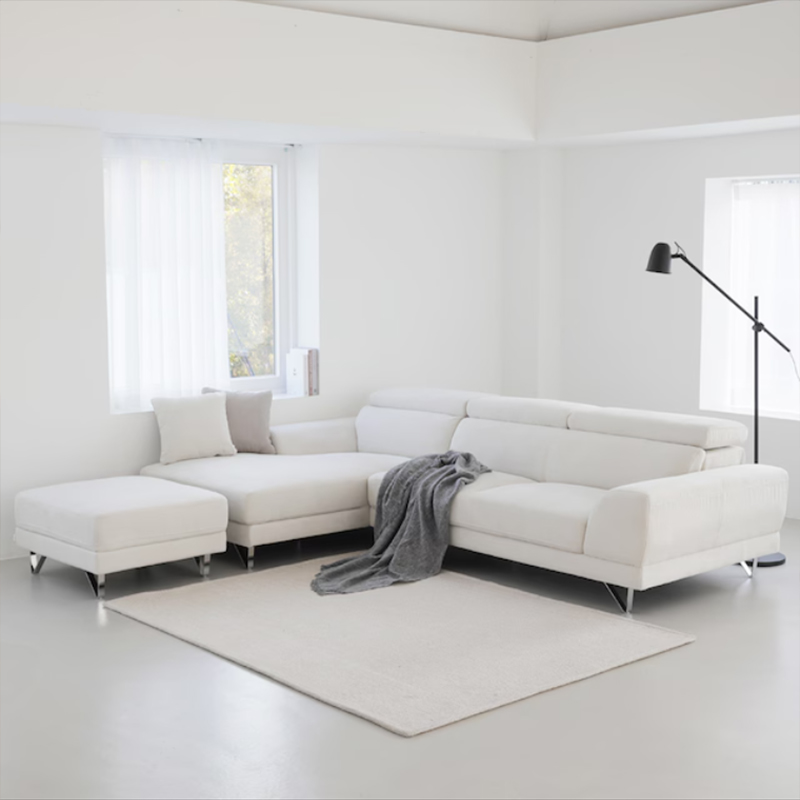
Understanding the Origins of the Words “sofa” and “Couch”
The word “sofa” originates from the Arabic term “suffah,” referring to a wooden bench covered with cushions or blankets. It eventually became associated with formal seating structures used in elegant living spaces. Historically, sofas were designed with a more structured form, higher build quality, and carefully crafted upholstery.
The word “couch” comes from the French word “coucher,” meaning “to lie down.” Early couches were designed more casually, often without armrests, and were used for reclining rather than upright sitting. This created an association between couches and relaxation-oriented seating.
Although modern furniture has evolved beyond these historical definitions, the roots of each term still influence how designers and homeowners perceive them today.
Design Differences: Structure, Form, and Style
In many contemporary settings, a “sofa” is thought to have a more structured and refined design. Sofas often feature symmetrical shapes, well-defined arms, cushioned backs, and tailored upholstery. These characteristics contribute to a polished appearance suitable for living rooms, lounges, and formal seating areas.
A “couch,” by comparison, conveys a more relaxed or casual approach. Couches may have lower backs, softer cushions, or even asymmetrical designs. They are traditionally associated with informal spaces such as family rooms or recreational areas.
HANHAN’s sofa collection focuses on modern, carefully proportioned designs that emphasize comfort without sacrificing structural elegance. The level of craftsmanship, padding density, and upholstery precision aligns more closely with what many consumers recognize as “sofa” design.
Functional Differences and How the Terms Are Used Today
Functionally, both pieces of furniture serve the same purpose: sitting, lounging, gathering, and relaxing. However, usage varies culturally. In some regions, “sofa” is used to describe the primary seating in a living room, while “couch” refers to secondary or casual seating.
In advertising and interior design, “sofa” is typically used to describe premium or designer seating. Meanwhile, “couch” may appear in discussions related to comfort, informality, or everyday use. This distinction is subtle but helps buyers identify the level of refinement they may expect from the product.
HANHAN produces designs suitable for both formal and informal environments. Whether a customer is furnishing a sitting room, family lounge, or open-concept living space, our sofas combine formal aesthetics with everyday comfort.
Material and Construction Considerations
Differences between sofas and couches can sometimes extend to materials and construction. Sofas often use high-quality frames, premium fabric or leather upholstery, and engineered foam or down padding. These elements contribute to longevity and consistent support.
Couches, in popular perception, may use more relaxed cushions or softer padding, emphasizing comfort over structure. Yet in modern furniture manufacturing, the gap has narrowed greatly; both terms now apply to a wide range of upholstery qualities.
HANHAN’s sofas are built with durable frames, high-density cushioning, and premium leather or fabric upholstery. This ensures that while the products maintain a refined sofa aesthetic, they also deliver a level of comfort once associated primarily with couches.
Seating Capacity and Intended Usage
Sofas are often designed with capacity and versatility in mind. Three-seat configurations, L-shaped designs, and modular systems are commonly referred to as sofa setups. These offer flexibility for entertaining or family use.
Couches may be associated with smaller, cozier seating suited for one or two people. Though not always accurate, this perception stems from the couch’s historical purpose as a reclining piece of furniture.
The broad range of HANHAN seating options includes compact two-seaters, extended sectionals, and luxuriously deep lounging sofas that meet both sofa and couch expectations in modern households.
Aesthetic Perceptions in Modern Interiors
In interior design, “sofa” is often preferred when discussing styling or décor. Sofas are expected to match a certain aesthetic standard—clean lines, curated proportions, intentional color palette, and detailed stitching.
“Couch,” however, tends to evoke an image of softness and relaxation, something that blends naturally into spaces meant for comfort rather than visual impact.
Many HANHAN sofas combine these qualities by delivering relaxing cushioning inside a well-shaped, thoughtfully upholstered frame. This creates a hybrid experience that appeals to both functional and aesthetic needs.
Practical Differences From a User’s Perspective
For homeowners, the biggest difference lies not in terminology but in how the piece fits into daily routines. Sofas, being more structured, are often chosen for:
Hosting guests
Sitting upright for conversations
Complementing interior décor
Adding visual focal points
Couches, meanwhile, are frequently chosen for:
Lounging
Watching movies
Napping or reclining
Informal living spaces
Since HANHAN sofas prioritize ergonomic support and soft cushioning, they comfortably fulfill both comfort-oriented and décor-focused expectations.
A Comparison Table to Clarify Sofa vs Couch
| Feature Category | Sofa | Couch |
|---|---|---|
| Design Style | Structured, formal, symmetrical | Casual, relaxed, softer form |
| Historical Meaning | Seating for upright sitting | Furniture for reclining |
| Typical Use | Living rooms, design-focused spaces | Family rooms, informal gathering areas |
| Aesthetic Expectation | Elegant, refined | Comfortable, homey |
| Modern Interpretation | Premium seating | Everyday seating |
While these differences exist conceptually, modern furniture design—such as that found in HANHAN’s sofa collection—blends categories, delivering pieces that can serve as both sofa and couch depending on the user’s lifestyle.
Why the Terms Matter Less in Today’s Furniture Market
Furniture terminology has modernized alongside changes in living habits. Open-plan homes blur the line between formal and informal spaces, meaning a single seating piece may serve multiple functions throughout the day. As a result, many manufacturers and designers use “sofa” and “couch” interchangeably.
Durability, comfort, craftsmanship, and design now matter far more than the word used to describe the furniture. HANHAN places emphasis on these performance factors, ensuring that every model—regardless of terminology—offers quality construction and elegant style.
Sofa or Couch—Which Should You Choose?
Both sofas and couches provide essential seating for the home. The primary differences lie in historical origins, design expectations, and cultural usage. While sofas lean toward structured elegance and couches toward casual comfort, modern furniture often blends these qualities.
HANHAN’s sofa collection delivers a balance of both worlds. Each piece combines refined craftsmanship with everyday comfort, making the terms “sofa” and “couch” less about definition and more about personal preference.
Previous: How Much Do Sofas Weigh?