


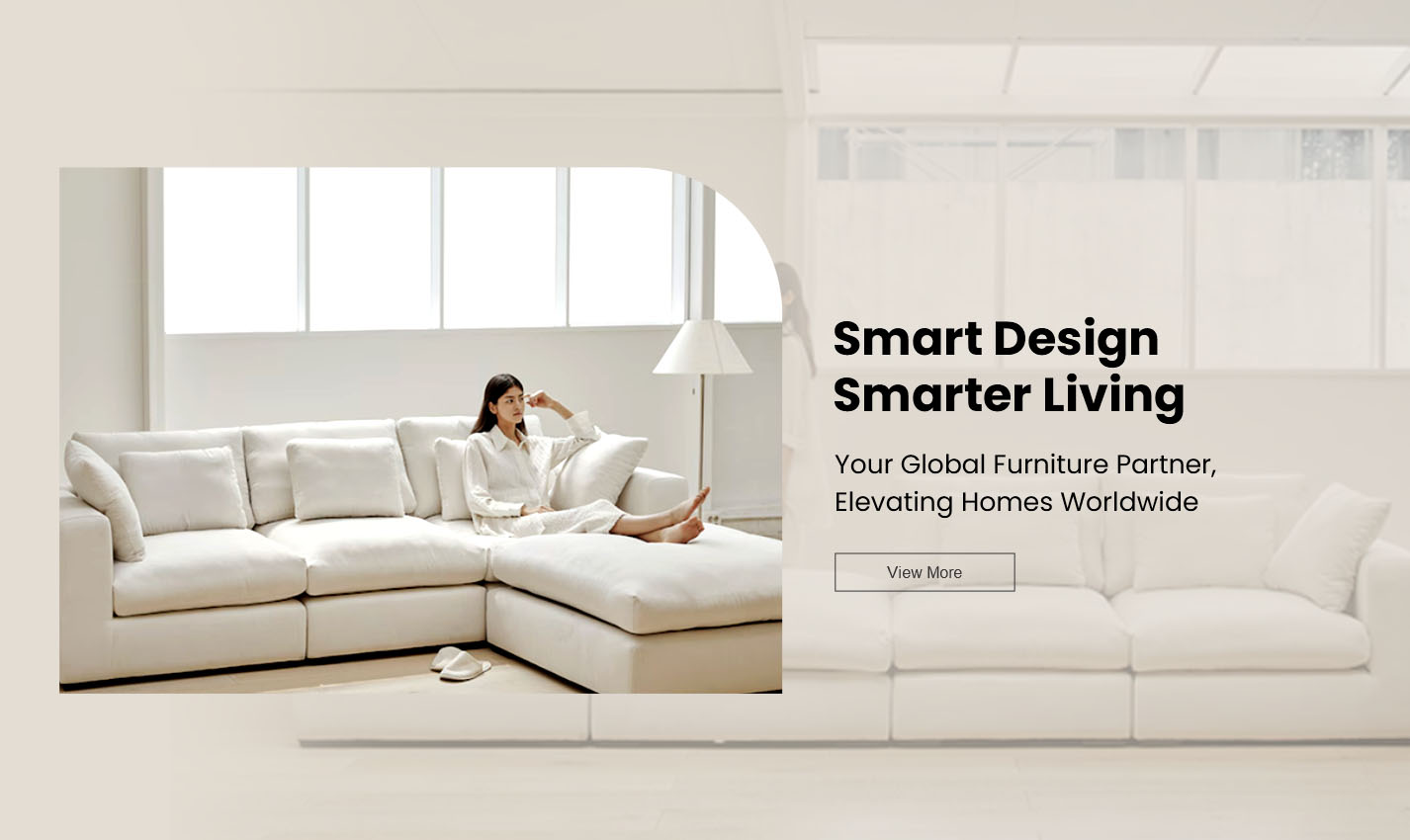
Why Are Modular Sofas So Expensive?
Modular Sofas are more expensive than traditional sofas because they require far more engineering, higher-quality structural materials, deeper customization options, and complex manufacturing processes. Unlike a one-piece sofa, a modular system is built from multiple independent units—each with its own frame, support structure, connection hardware, and upholstery alignment. These elements must fit together seamlessly while remaining flexible for reconfiguration. A modular sofa, therefore, is not just seating furniture; it is a customizable system designed for adaptability, durability, and long-term value.
A modular sofa allows users to rearrange sections into different layouts—L-shapes, U-shapes, chaise combinations, or open seating islands—depending on room size or lifestyle needs. This high level of adaptability explains much of the added cost. Premium manufacturers, such as HANHAN, further increase value by offering superior craftsmanship, reinforced connection systems, and advanced customization options in both structure and upholstery. You can explore their modern modular sofas here: HANHAN Modular Sofa Collection.
Understanding why modular sofas command higher prices helps buyers appreciate the engineering behind them and make smarter purchasing decisions.

1. The Complex Structure Behind Each Module
A modular sofa consists of multiple units: corner seats, armless seats, chaise lounges, ottomans, and sometimes built-in recliners. Each module must be structurally independent yet compatible with every other piece in the system. This structural flexibility increases engineering difficulty, which directly increases cost.
Instead of building a single long frame like in traditional sofas, manufacturers must build multiple smaller frames—each strong enough to support weight on its own. Each frame requires reinforced hardwood, added support beams, interlocking connections, and precision alignment.
The complexity also extends to seat cushions. Because modules may be rearranged, cushions require:
Consistent density across all modules
Perfect alignment regardless of configuration
Reinforced edges to prevent sagging
Matching fabric tension for a unified appearance
In traditional sofas, cushions are designed for a fixed layout; modular cushions must work in multiple positions. This adds to design and manufacturing time, increasing the overall price. HANHAN’s modular sofas are engineered with thickened frames and durable connection hardware to ensure each module remains stable even after repeated rearrangements.
2. High-Quality Materials Required for Durability
Because users frequently push, pull, rotate, and reconnect modules, modular sofas must use durable, premium materials. Weak frames would loosen easily, and low-grade foam would lose shape quickly when modules shift positions.
Several high-quality components are typically required:
Solid Hardwood Frames
Each module needs its own hardwood structure to maintain stability and prevent warping.
High-Density Foam and Multi-Layer Padding
Foam must maintain shape even when modules are rearranged regularly. Many brands use multi-layer structures combining high-density cores with softer top layers.
Premium Upholstery
Tightly woven fabrics, microfiber, and top-grain leather support repeated friction from moving modules.
Advanced Connection Hardware
Metal brackets, locking clips, and hidden mechanisms ensure modules stay secure but easy to detach.
To illustrate why material quality matters, see the comparison below:
| Material Type | Traditional Sofa Requirement | Modular Sofa Requirement |
|---|---|---|
| Frame | One long frame | Multiple reinforced frames |
| Foam | Standard density | Higher density + edge support |
| Upholstery | Fixed fit | Stretch-resistant, alignment-friendly |
| Hardware | Minimal internal components | Dozens of connectors & locking parts |
HANHAN modular sofas use upgraded frames and wear-resistant fabrics to ensure long-term performance, especially for families who want flexibility without sacrificing durability.
3. Advanced Engineering and Manufacturing Processes
Manufacturing a modular sofa requires significantly more time, labor, and testing than a standard sofa. Each module must be engineered to connect seamlessly with others, both structurally and visually. This involves careful attention to dimensions, angles, and fabric pattern continuity.
Several operations increase manufacturing cost:
Cutting and assembling wood frames multiple times
Precision alignment testing for modular fit
Creating multi-layer cushioning for consistent seating height
Stitching fabric patterns so seams line up across modules
Inspecting connectors and locking mechanisms
Ensuring modules maintain shape after repeated configuration changes
Additionally, manufacturers must allocate production time for each module individually. Instead of assembling one sofa frame, workers assemble multiple mini-frames and multiple sets of cushions.
HANHAN’s manufacturing approach prioritizes smooth modular alignment. Their modules are tested to ensure consistent seam-to-seam matching—an essential part of producing high-end modular systems that remain visually cohesive regardless of how they are arranged.
4. Customization Drives Price Higher
One of the biggest reasons modular sofas are more expensive is the high degree of customization customers expect. Modular furniture buyers often want the freedom to tailor their sofa to room size, décor style, and comfort preferences. This requires manufacturers to offer more choices and more labor-intensive production.
Common customization options include:
Number of modules
Choice of L-shape, U-shape, curved shape, or open seating design
Upholstery material (fabric, leather, microfiber)
Fabric color and stitching preferences
Cushion firmness or filling type
Seating depth and backrest height
Optional recliner or storage modules
Every customization option increases manufacturing complexity. For example, selecting a deeper seating cushion means adjusting foam density, fabric measurements, and frame dimensions. Offering ten colors of upholstery means the manufacturer must keep additional inventory, samples, and processing steps.
HANHAN specializes in modular sofa customization, allowing homeowners to choose combinations, fabrics, and seating styles that perfectly match their space. This level of personalization creates higher value—but also contributes to a higher cost.
5. Logistics, Packaging, and Assembly Requirements
Modular sofas are designed to be transported in smaller pieces, which seems simpler than moving a full sofa—but it also increases logistical costs. Each module must be packaged separately to avoid damage during transport. Additional packaging materials, labels, protective layers, and quality checks add costs.
Logistical considerations include:
More boxes per order
Added protective materials to protect corners
Separate tracking for each module
Increased warehouse storage space
More effort in final assembly and inspection
Modular pieces must also be easy to assemble once they reach the customer. Manufacturers invest in improved connector mechanisms, which require additional engineering and higher-quality parts.
Even after delivery, reconfiguration flexibility requires durable connectors that withstand multiple assembly cycles. HANHAN modular systems use stable locking mechanisms that remain strong even after repeated rearrangement.
This combination of logistics and engineering further increases the price of modular systems compared to traditional sofas.
Conclusion
Modular sofas are more expensive because they require advanced engineering, multiple reinforced frames, higher-quality materials, complex upholstery alignment, intensive labor, and flexible customization options. While traditional sofas are built as single units, modular sofas function as multi-piece systems capable of being rearranged repeatedly for different room layouts. This adaptability is what makes them valuable—and costly.
Premium manufacturers such as HANHAN raise the standard even further with modern modular structures, durable connection hardware, and rich customization choices. Investing in a modular sofa means gaining seating that evolves with your lifestyle, adapts to room changes, and maintains long-term structural integrity.
For homeowners seeking high-quality modular seating solutions designed for durability and flexible comfort, you can explore HANHAN’s collection here: HANHAN Modular Sofa Collection.
Modular sofas may cost more, but they offer advantages that standard sofas simply cannot match: adaptability, longevity, and personalized living experiences.