



What Are Common Issues in Upholstered Sofa Manufacturing?
Upholstered Sofas are widely used in living rooms, apartments, lounges, and commercial interiors. For buyers handling bulk orders, the challenge is not just choosing a design, but making sure the product remains stable in quality, comfort, and appearance across every shipment.
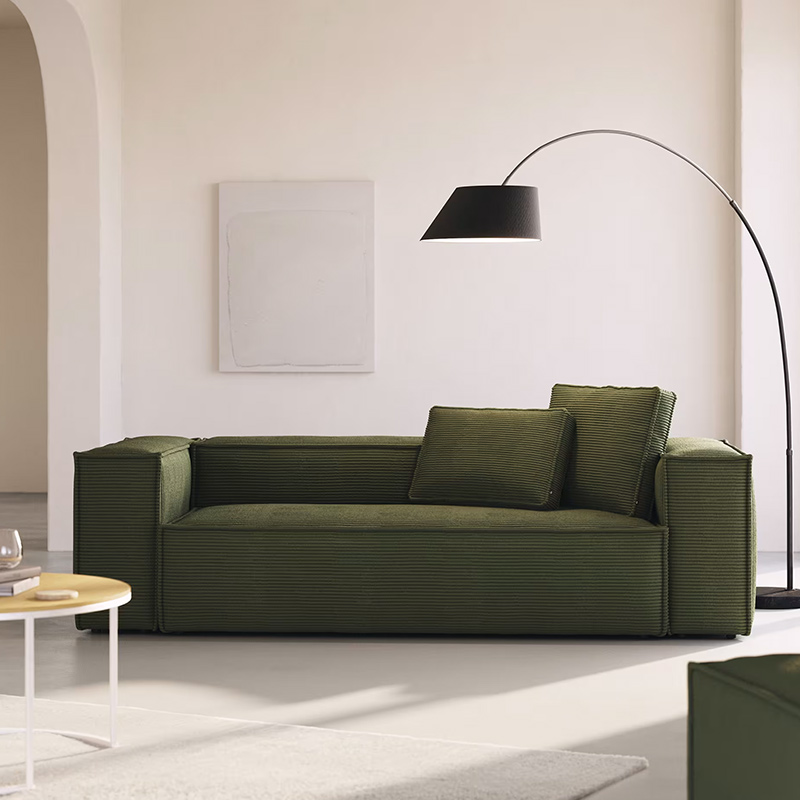
Soft fabric sofas with a modern look, such as corduroy designs, are increasingly popular in both residential and project-based environments. However, during manufacturing, several common issues can affect the final result. Understanding these problems helps buyers reduce risk and improve long-term performance.
Inconsistent Cushion Support and Comfort
One of the most common issues in upholstered sofa production is uneven cushion performance. A sofa may feel comfortable in the sample stage but behave differently in bulk production.
This usually happens when foam density is not controlled properly or when suppliers change internal materials between batches. Over time, cushions may lose shape, become too soft, or provide uneven support.
For a commercial Lounge Sofa, this problem becomes more serious because the seating is used more frequently. Inconsistent comfort can lead to complaints and reduce repeat purchasing.
Buyers should confirm cushion specifications clearly and ensure the same structure is maintained in every order.
Fabric Quality and Color Variation
Fabric plays a major role in both appearance and durability. A common issue in bulk sofa production is color variation between different batches. Even small differences can be noticeable when multiple units are placed in the same space.
Corduroy fabric, while visually appealing and comfortable, requires careful control during dyeing and cutting. If not handled well, it may show shading differences or uneven texture alignment.
For project buyers and wholesalers, consistent fabric quality is essential. This is especially important when supplying apartments, hotels, or showroom environments where visual uniformity matters.
Weak Frame Structure and Long-Term Stability
The internal frame is not visible, but it determines how long the sofa will last. Some manufacturers reduce cost by using lower-grade wood or simplified structures, which may lead to instability after repeated use.
Over time, this can result in noise, loose joints, or deformation. These issues are difficult to fix once the product is delivered.
For spaces with higher usage frequency, such as lounges, waiting areas, and rental units, a strong frame is necessary to ensure durability and reduce maintenance.
Poor Sewing and Finishing Details
Even when materials are good, poor workmanship can affect the final quality. Uneven stitching, loose threads, and misaligned fabric panels are common issues in upholstered sofa production.
These details may seem minor, but they directly affect how the product is perceived by end users. For buyers working with retail or interior projects, finishing quality can influence brand image and customer trust.
Careful inspection of sewing quality and finishing consistency is important before confirming bulk production.
Packaging Problems and Shipping Damage
Furniture products face a long journey before reaching the final destination. If packaging is not strong enough, sofas can be damaged during transportation.
Common problems include fabric marks, crushed corners, bent legs, or internal structure damage. These issues increase return rates and affect delivery schedules.
Efficient packaging should protect both the appearance and structure of the sofa. For bulk shipments, packaging design also affects container loading efficiency and overall logistics cost.
Difficulty in Maintaining Consistent Production
For many buyers, the biggest concern is not the first order, but the next ones. Some suppliers cannot maintain the same quality across repeat orders due to unstable material sourcing or inconsistent production processes.
This creates challenges for distributors and project buyers who need reliable long-term supply. Differences between batches can affect customer satisfaction and make inventory management more difficult.
Working with a supplier that has stable production control helps reduce these risks.
Customization Misalignment with Market Needs
Many buyers require customization to match their target market. However, unclear communication during the customization process can lead to products that do not meet expectations.
Differences in size, fabric, color tone, or comfort level may result in products that are harder to sell. This is especially important for buyers involved in OEM or ODM projects.
Clear specifications, sample confirmation, and production consistency are necessary to ensure the final product fits the intended application.
Conclusion
Upholstered sofa manufacturing involves more than materials and design. Cushion consistency, fabric quality, frame strength, finishing details, packaging, and production stability all play a role in the final outcome.
For buyers sourcing modern fabric sofas, especially for lounge spaces, apartments, or interior projects, understanding these common issues can help avoid unnecessary risks and improve purchasing decisions.
If you are planning a bulk order or working on a customization project, you are welcome to share your requirements with us. From material selection to production details and packaging solutions, we can support you in finding a sofa option that fits your market and application needs.