



How To Stop Cats From Clawing Couch
Cats scratching the couch is not bad behavior. It is natural. Scratching helps them stretch, sharpen claws, and mark their space. The problem is not the cat itself, but where the behavior happens. To protect your Sofa, the goal is to guide the habit, not stop it completely.
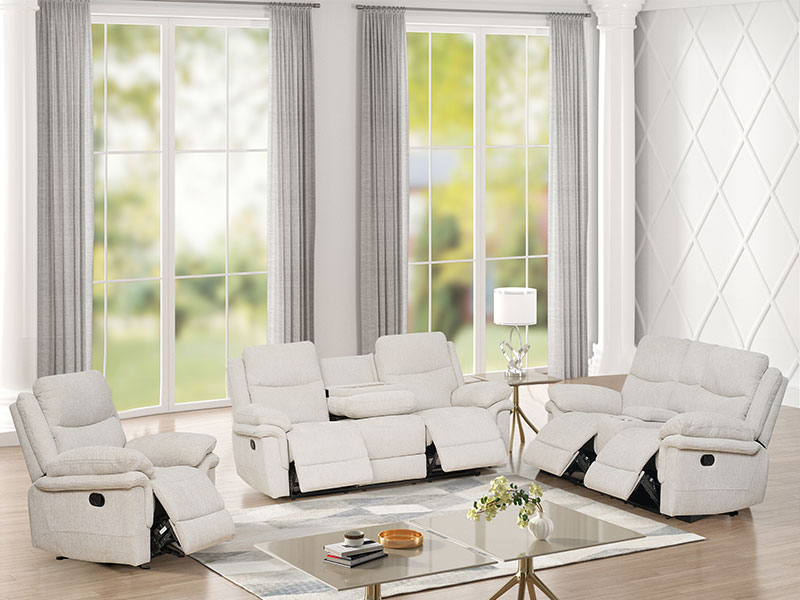
This becomes even more important when using a fabric sofa, especially a modern Recliner Sofa designed for daily comfort. Soft upholstery, wide armrests, and frequently used seating areas can easily become targets if no alternative is provided early.
Why Cats Choose The Couch
Cats usually pick the couch because it is stable, easy to reach, and placed in a central area of the home. It also carries human scent, which makes it more attractive. From the cat’s perspective, it is simply the most practical scratching surface.
On larger recliner sofas, especially electric recliner designs, the side panels and arm areas are often the first places cats test. These sections are visible and frequently touched, so even light scratching can affect the overall appearance over time.
Give A Better Scratching Alternative
The most effective solution is to provide a better place to scratch. A scratching post or board should be placed close to the sofa, especially near the area where the cat usually claws.
The replacement must match the habit. If the cat scratches vertically on the armrest, a tall scratching post works better. If it targets the lower front edge, a flat scratching board is more suitable.
When the new option feels more satisfying, the sofa naturally becomes less important.
Make The Couch Less Appealing
At the same time, the sofa should feel less rewarding. Temporary covers, throws, or protectors can reduce the texture feedback that attracts scratching.
For a fabric recliner sofa, this step is especially useful during the early stage. Armrests and outer panels can be lightly protected without affecting the overall look or reclining function. This helps prevent visible wear while the cat is adjusting to new habits.
Instead of reacting strongly, gently guide the cat toward the scratching area. Calm repetition works better than punishment.
Stay Consistent With Training
Consistency is the key. Each time the cat approaches the sofa to scratch, redirect it. Each time it uses the correct scratching surface, allow that behavior to continue.
Over time, the cat forms a new routine. If responses are inconsistent, the sofa remains part of the habit.
Maintain The Cat’s Claws
Regular claw trimming helps reduce damage during the training process. It does not stop scratching, but it limits how much the fabric is affected.
This is especially helpful for upholstered recliner sofas, where surface integrity directly affects both appearance and comfort.
Protecting A Modern Recliner Sofa In Daily Use
A modern electric recliner sofa is designed for relaxation, with soft fabric, ergonomic support, and multi-seat configurations. These features make it comfortable, but also increase daily contact areas.
In a pet-friendly home, it helps to protect key zones such as armrests and side panels early on. Simple measures like removable covers or light throws can reduce wear without changing the design or usability of the sofa.
At the same time, choosing a well-structured fabric sofa also makes a difference. A stable frame, durable upholstery, and balanced cushioning help the sofa maintain its shape and appearance even with regular use.
Conclusion
Stopping cats from clawing the couch is about redirection, not restriction. Provide a better scratching option, reduce the sofa’s appeal, and stay consistent.
With the right setup, most cats will shift their behavior naturally, and your sofa will stay in better condition over time.
If you are choosing a modern recliner sofa and want guidance on fabric selection, structure, or daily care in pet-friendly homes, feel free to contact us. We can help you find a solution that balances comfort, durability, and real-life use.
Previous: How To Arrange Sofa in Small Living Room