



How Do I Clean A Fabric Sofa
A fabric Sofa can stay comfortable and attractive for years, but only if it is cleaned the right way. Many people make the mistake of scrubbing too hard, using too much water, or picking a cleaner before understanding the fabric. That often leaves water marks, faded areas, or a surface that feels rough after drying. A better approach is slower and more careful. Fabric upholstery responds well to regular light cleaning, quick action on spills, and gentle treatment that protects both the texture and the padding underneath.
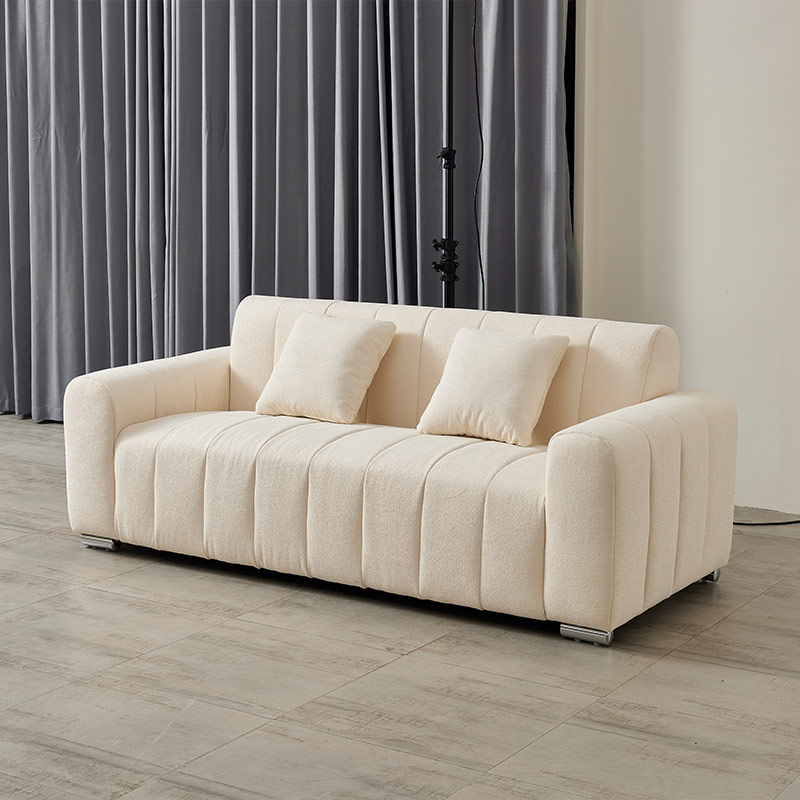
This matters even more for light-colored sofas. A beige Lounge Sofa, for example, creates a calm and warm look in a room, but it also makes dust, hand oils, drink spots, and daily wear easier to notice. That does not mean fabric sofas are difficult to maintain. It simply means the cleaning method needs to match the material and the kind of stain you are dealing with.
Understand The Fabric Before You Clean
The first step is not cleaning. It is understanding the sofa itself. Fabric sofas are not all made the same way. Some have tightly woven surfaces that resist dust well. Others feel softer and more textured, which makes them comfortable but also a little more likely to trap lint or absorb liquid quickly. Before using any cleaner, it is important to know whether the upholstery handles moisture well or whether it should be cleaned with very limited water.
This is why testing matters. Even a mild cleaning solution can slightly change the color or feel of fabric if the material is sensitive. A small hidden spot, such as the lower back edge or the area under a cushion, is the safest place to test first. If the fabric dries evenly and the texture stays the same, the cleaner is usually suitable for light use on visible areas.
A careful test may seem slow, but it prevents a bigger problem. Once a large section of the sofa is stained by over-wetting or discolored by the wrong product, fixing it becomes much harder than removing the original dirt.
Start With Dry Cleaning Before Any Liquid
A fabric sofa should almost always be cleaned dry before anything wet touches the surface. Dust, crumbs, lint, and loose debris sit on the fabric every day. If water or foam is added too early, those particles can sink deeper into the weave and turn into muddy marks. That is why vacuuming is the real starting point.
Use a soft brush attachment and move slowly across the seat, arms, backrest, and the gaps between cushions. Do not rush the corners. Those narrow areas collect more dust, hair, and fine particles than most people expect. A vacuum will not remove every stain, but it removes the layer that makes deeper cleaning harder.
After vacuuming, a soft dry cloth or upholstery brush can help lift surface dust from textured fabric. This is especially useful on sofas with a warm woven finish, where tiny particles can sit between threads and make the color look dull over time.
Use A Gentle Method For General Surface Cleaning
If the sofa looks slightly dull or has general everyday marks rather than one heavy stain, a gentle overall clean is often enough. The goal here is not to soak the sofa. It is to refresh the surface and remove light soil without pushing moisture into the filling.
A soft cloth lightly dampened with water and a very mild fabric-safe cleaner usually works better than a wet towel. The cloth should feel barely moist, not dripping. Wipe in small sections and follow the direction of the fabric where possible. Rubbing in circles with pressure may roughen the surface, especially on softer upholstery.
After wiping, use a second clean cloth to blot away excess moisture. Then let the sofa air dry naturally. Good airflow helps the fabric dry evenly and reduces the chance of water rings. Opening windows or using light room ventilation is better than applying strong direct heat.
The reason this method works is simple. Most daily sofa dirt is not a dramatic stain. It is a mix of dust, skin contact, light oil, and normal use. Gentle cleaning handles that well without putting unnecessary stress on the fabric.
How To Remove Fresh Spills Without Making Them Worse
Fresh spills should be treated quickly, but not aggressively. The first reaction should always be blotting, not rubbing. A clean dry cloth or paper towel can absorb a surprising amount of liquid if it is pressed onto the spill right away. Rubbing spreads the liquid outward and pushes it deeper into the fabric.
Once the excess liquid is absorbed, the area can be treated with a small amount of suitable cleaner if needed. The cleaner should be applied to the cloth, not poured directly onto the sofa. This gives better control and helps prevent over-wetting. Blot gently from the outer edge of the stain toward the center so the mark does not spread.
This step matters because many sofa stains look worse after cleaning not because the stain itself was difficult, but because too much liquid was used around it. That creates a second, wider mark that remains after drying. Controlled blotting keeps the affected area smaller and easier to manage.
How To Deal With Common Fabric Sofa Stains
Not every stain should be treated in exactly the same way. Food spots, drink marks, body oils, and dust buildup behave differently on fabric. A drink spill often needs fast blotting and light cleaning. A greasy mark from skin contact on the armrest may require more patience because oil sits in the fibers rather than only on the surface. A dusty gray area on the seat edge may improve with repeated gentle cleaning rather than one strong treatment.
For this reason, the safest approach is to think in stages. First remove what is loose. Then absorb what is wet. Then clean only as much as necessary. Most fabric sofas respond better to repeated mild care than to one harsh deep-cleaning attempt.
If a stain remains after the first pass, it is often better to let the area dry fully and assess it again. Wet fabric can make a stain look darker than it really is. Cleaning it repeatedly while still damp may do more harm than good.
Why Too Much Water Is A Common Mistake
One of the biggest mistakes in fabric sofa care is using too much water. People often assume that more moisture means better cleaning, but upholstery does not work that way. A sofa is not only fabric on the outside. Under the surface there may be foam, batting, support layers, and structure that all dry more slowly than the visible cover.
When too much water enters the seat or back area, drying becomes uneven. That can leave rings, a stale smell, or a surface that feels less fresh even after the visible stain is gone. In more serious cases, the cushion can lose some of its original comfort if moisture remains trapped inside for too long.
This is why cleaning should stay close to the surface unless the upholstery is specifically designed for more intensive washing methods. For routine care, moisture should be limited and controlled.
How To Keep A Light-Colored Sofa Looking Clean Longer
A beige or other light-colored fabric sofa does not need constant heavy cleaning, but it does benefit from better habits. Light upholstery shows dirt sooner, yet it also rewards simple routine care. Regular vacuuming, quick blotting after spills, and avoiding direct contact with dirty clothing or oily hair can make a visible difference over time.
Seat rotation also helps. If one spot is used more heavily every day, the fabric there may darken faster than the rest. Rotating loose cushions spreads wear more evenly and helps the sofa age in a more balanced way. Throw blankets or decorative cushions can also reduce direct friction in high-contact areas without hiding the design of the sofa itself.
Sunlight is another factor that should not be ignored. Strong direct light does not only affect color. It can also gradually change how fabric feels over time. A sofa placed near a bright window looks beautiful, but some form of shading during the strongest part of the day helps protect the surface.
When A Sofa Needs Deeper Professional Cleaning
There are times when home cleaning is not enough. If the sofa has a large stain that has set into the fabric, an odor that remains after surface cleaning, or widespread discoloration from long-term use, professional upholstery cleaning may be the better choice. This is especially true for larger lounge sofas where deep moisture management matters more because of the amount of padding involved.
Professional cleaning does not mean the sofa was poorly made. It simply means that some situations go beyond normal household care. Heavy stains, pet accidents, and long periods without maintenance can create problems that require equipment and cleaning methods not usually available at home.
Knowing when to stop is part of good maintenance. Over-cleaning a sofa with the wrong method can shorten its visual life faster than using a specialist at the right time.
How Cleaning Affects Product Longevity
A fabric sofa lasts better when cleaning is consistent and moderate. Waiting until the sofa looks obviously dirty often leads to stronger cleaning, and stronger cleaning places more stress on fabric and seams. Lighter, regular maintenance is usually the better path. It protects the appearance of the upholstery while helping the sofa keep its original comfort.
This is one reason fabric lounge sofas remain popular in modern interiors. They offer warmth, texture, and a softer look than many harder-surface furniture materials. When the fabric is cared for correctly, the sofa continues to feel welcoming instead of worn out. That is especially important in a lounge-style piece, where comfort and appearance are equally visible.
Conclusion
Cleaning a fabric sofa is less about strong products and more about the right method. Start dry, clean gently, blot spills quickly, and avoid soaking the upholstery. When that routine becomes part of normal care, a fabric sofa stays fresher, looks cleaner, and keeps its comfort longer.
For buyers choosing a lounge sofa, maintenance is part of the value of the product. A well-made fabric sofa should not only look good on the day it arrives, but also remain practical for daily living. If you are comparing fabric sofa options and want advice on suitable styles, care, or product selection, feel free to contact us. We are happy to provide guidance and help you find a sofa solution that fits your space and everyday use.