



How Long Should A Sofa Last?
A Sofa should last anywhere from 5 to 15 years, and in many homes it can go longer when the frame, suspension, and cushions are built well and maintained correctly. The wide range exists because “sofa life” is not one number. It is a combination of structure durability, how often it is used, who uses it, and whether the materials match the environment. A lightly used sofa in a formal living room can look solid after a decade, while a daily-use family sofa may feel tired in five to seven years if the cushions lose support or the suspension softens.
If you are comparing options for a home project or a supply program, HANHAN provides multiple sofa styles designed for long-term comfort and stable construction. You can explore our models on the sofa collection page.
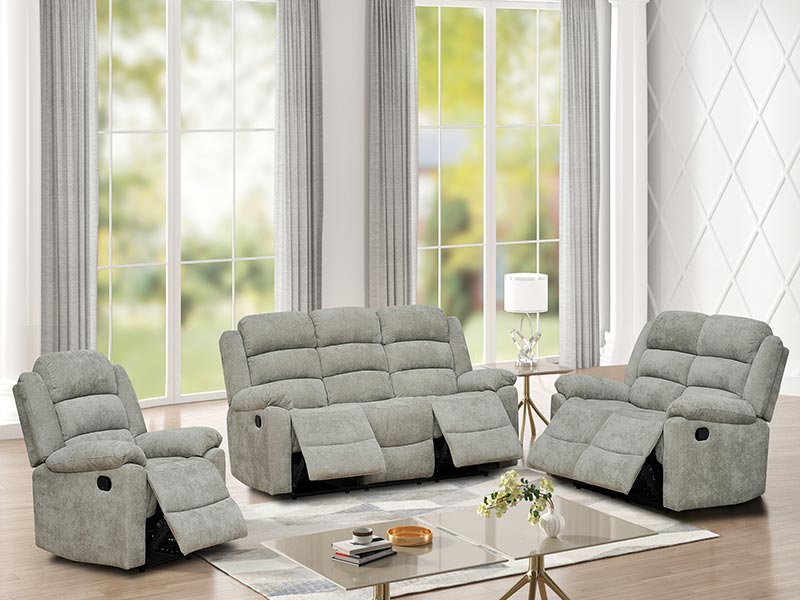
Typical Sofa Lifespan By Use Case
A practical expectation starts with how the sofa is used. Daily seating puts stress on cushions and suspension every time someone sits down, shifts weight, or leans on arms.
Common lifespan expectations:
Light use (guest room or formal lounge): 10–15 years
Moderate use (couple, normal daily use): 7–12 years
Heavy use (family room, kids, pets, frequent guests): 5–8 years
Commercial or shared spaces (offices, lounges, rentals): depends on build level, often 3–7 years without commercial-grade construction
The key point is that many sofas do not fail because the fabric tears first. They feel worn because the seat support changes, which makes the sofa less comfortable even if it still looks acceptable.
What Usually Wears Out First
Most sofas show performance decline in predictable order:
Seat cushions compress and lose resilience
Suspension stretches or fatigues, creating sagging
Frame joints loosen if the structure is weak or stressed repeatedly
Upholstery shows abrasion, pilling, seam stress, or fading
This is why two sofas with similar fabric can have very different lifespans. The hidden structure matters more than surface appearance.
Frame Construction And Joint Strength
The frame is the backbone. A stronger frame resists twisting and keeps joints tight over time. When frames loosen, you often hear squeaks, feel wobble in the arms, or notice uneven seating.
Key frame indicators of longer life:
Thick, stable wood or engineered structural panels designed for furniture frames
Reinforced corners and load-bearing points
Secure joinery and hardware that resists loosening
In real use, the frame has to handle dynamic loads, not just static sitting. People drop into seats, shift sideways, sit on arms, and move the sofa during cleaning. A well-built frame handles these routine stresses better.
Suspension System And Long-Term Support
Suspension determines whether a sofa keeps its shape. Even with good cushions, weak suspension leads to sagging.
Common suspension types and what they mean:
Sinuous springs can perform well when gauge and spacing are correct and attachment points are reinforced.
Webbing can feel comfortable at first, but the long-term result depends on webbing quality and tensioning method.
Eight-way hand-tied systems are known for stability when executed correctly, but many buyers focus instead on consistent industrial methods and predictable performance.
If the seat feels soft in an uneven way, suspension fatigue is often the reason. The best approach is to choose a suspension system matched to your expected daily use.
Cushion Materials And How They Affect Lifespan
Cushions define comfort and are often the first component to age. Foam density, layering design, and how the cushion is constructed determine how long it stays supportive.
What to evaluate:
Foam density and resilience for daily-use seating
Layered cushioning that balances softness and support
Cushion encasement and stitching that prevents shifting or lumping
Some buyers prioritize a plush feel immediately. For long-term satisfaction, it is better to balance softness with support so the cushion does not bottom out quickly.
Upholstery Durability: Fabric And Leather Considerations
Upholstery lifespan depends on abrasion resistance, weave structure, finishing, and how it is cleaned. A durable fabric may still wear early if it is exposed to heavy friction in the same spot every day.
Useful selection guidance:
For families and frequent use, choose upholstery designed for abrasion resistance and easier cleaning.
For bright rooms, pay attention to fade resistance and placement away from direct sun.
For pets, select textures that reduce snagging and show fewer marks.
Upholstery performance is also tied to seam design. A strong fabric can still fail at stress points if seam reinforcement is weak.
A Quick Lifespan Guide Based On Build Quality
| Build Focus | Expected Comfort Life | Who It Suits |
|---|---|---|
| Basic Casual sofa | 5–7 years | light budgets, lower daily use |
| Mid-level daily-use sofa | 7–12 years | most households and rentals |
| High stability structure | 10–15 years | long-term homes and projects |
Comfort life means the sofa still feels supportive and stable, not only that it remains usable.
Signs Your Sofa Is Near End Of Life
A sofa may still look fine while comfort and support are already compromised. Watch for:
Seat sagging that returns immediately after standing up
Cushions that feel flat or bottom out
Frame creaks that persist even after tightening feet and checking the floor
Arms that feel loose when you push sideways
Uneven seating where one side is noticeably lower
If only the cushions feel tired and the frame is still strong, replacing cushion inserts may extend the sofa’s useful life.
How To Make A Sofa Last Longer
Daily habits can extend lifespan, especially for cushions and upholstery.
Rotate and flip cushions regularly if the design allows
Vacuum upholstery seams to reduce grit abrasion
Keep the sofa away from direct sun to reduce fading and drying
Use felt pads under legs to reduce frame twisting on uneven floors
Avoid sitting on arms or dragging the sofa during cleaning
Clean spills quickly with methods suited to the upholstery type
For high-use environments, selecting the right material from the start matters more than trying to fix issues later.
Choosing A Sofa For Long-Term Value
When you want a sofa that lasts, prioritize structure and support first, then choose the style and upholstery. The most cost-effective sofa is usually the one that stays comfortable for years without sagging or squeaking, not the one that looks good only in the first season.
HANHAN supports stable production and specification-based selection for different usage needs. You can review our sofa options through the sofa collection page if you are comparing configurations for a project buyer requirement or wholesale supply planning.
Conclusion
A sofa should typically last 5 to 15 years, with the biggest differences driven by frame strength, suspension quality, and cushion resilience. Upholstery affects appearance, but long-term comfort depends on the structure you do not see. If you choose a sofa built for your usage level and maintain it with simple habits, you can extend its comfortable life significantly.
If you are selecting sofas for a home renovation, rental furnishing plan, or bulk order program, contact HANHAN with your target usage scenario, size requirements, and upholstery preferences. We can recommend suitable structures and configurations and provide practical guidance for long-term performance.