



How To Get Chocolate Stains Out Of A Sofa?
Chocolate stains on a Sofa are a combination stain. They usually contain cocoa solids, sugars, and fats, which means the stain can behave like both a dye and a grease mark. If the chocolate is melted or has been pressed into the fabric, it can bond deeper into fibers and leave an oily shadow even after the visible brown color disappears. The best cleaning result comes from controlling three things in order: removing solids without smearing, lifting the color without spreading it, and breaking down residual oils without overwetting the sofa.
HANHAN sofas are built for real-life use, and proper stain handling helps preserve the fabric appearance, cushion resilience, and overall cleanliness. You can view our sofa collection here: Sofa.
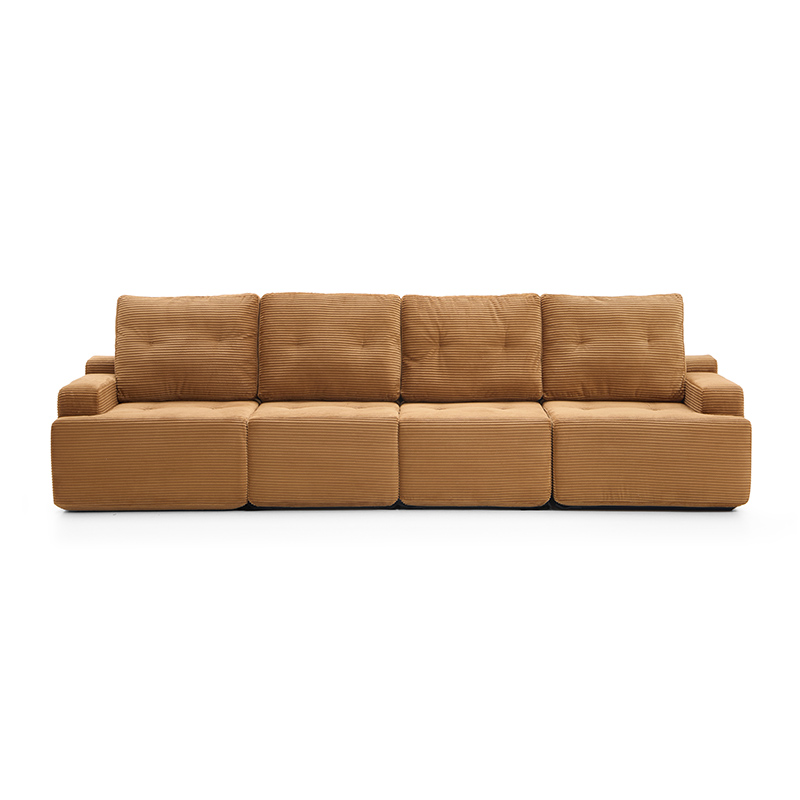
Identify Sofa Upholstery Before You Clean
The cleaning method depends on upholstery type. Using the wrong technique can spread the stain, set it permanently, or damage the fabric finish.
Common upholstery categories and how they influence cleaning:
Woven fabric and performance fabric
Usually tolerate water-based spot cleaning when done with controlled moisture and blotting.Velvet or brushed fabrics
Require gentler handling and careful drying to avoid pile distortion.Leather and faux leather
Need minimal water and a focus on lifting oils without stripping surface finish.Microfiber
Can be sensitive to overwetting and may show water marks if not dried evenly.
If your sofa has a care label code, treat it as the first decision point:
Water-safe code indicates water-based cleaners are acceptable
Solvent-only code indicates you should avoid water and use a dry-cleaning solvent approach
Mixed codes require spot testing and controlled application
If the upholstery type is unclear, start with the least aggressive method and always spot test in an inconspicuous area.
Remove Chocolate Safely Without Spreading It
Before applying any liquid, remove as much chocolate as possible. Liquids applied too early can dissolve sugar and push pigment deeper.
Solid removal steps:
Let soft chocolate firm up
If the chocolate is warm or melted, cool it with a wrapped ice pack for a few minutes to harden it.Lift solids gently
Use a dull edge such as a spoon or plastic card to lift chocolate from the surface. Avoid scraping aggressively.Vacuum loose particles
Use a vacuum brush attachment to remove dry flakes without grinding them into the fabric.
What to avoid during solid removal:
Rubbing with a cloth
This smears fat and pigment across a larger area.Hot water
Heat can soften fats and set the stain into fibers.Hair dryers or steam
Heat can drive oils deeper and create a larger shadow.
This stage determines whether the stain stays localized or becomes a wide discoloration.
Clean Fresh Chocolate Stains With A Controlled Water-Based Method
Fresh stains are easier because oils have not fully bonded to fibers. The key is controlled moisture and repeated blotting.
Water-based cleaning method:
Prepare a mild cleaning solution
Mix a small amount of gentle dish soap with cool water. The soap helps break down fats and sugars without harsh chemistry.Blot from the outside inward
Use a clean white cloth. Dab, do not rub. Work from the outer edge toward the center to prevent spreading.Rinse with minimal clean water
Use a second cloth dampened with clean water to remove soap residue. Residue can attract dirt later.Dry quickly
Press a dry towel to absorb moisture, then allow airflow to finish drying.
Why this works:
Soap molecules lift grease components
Cool water reduces dye-setting risk
Blotting pulls contamination out rather than forcing it through the weave
If the color lightens but the oily shadow remains, move to a grease-focused step after the area dries.
Remove Set-In Stains By Treating Pigment And Oil Separately
Older chocolate stains often show two layers: a brown color stain and a greasy dark ring. Treating them as one stain can leave a permanent shadow.
For pigment residue:
Repeat the mild soap blotting method in cycles
Apply solution, blot, rinse, dry. Multiple cycles are safer than one aggressive attempt.Use a low-moisture approach
Excess water can create a tide mark, especially on microfiber or textured weaves.
For oil residue:
Apply an absorbent powder to draw oils out
Baking soda or cornstarch can absorb oils. Sprinkle lightly, let it sit, then vacuum.Follow with a mild soap blot if needed
This removes remaining oily film.
If the fabric is delicate or the stain has been present for a long time, professional upholstery cleaning may be the safest option, especially for velvet, silk blends, or solvent-only fabrics.
Special Methods For Leather And Faux Leather Sofas
Chocolate on leather tends to leave an oily smear rather than a deep pigment stain. The goal is to lift oils while protecting the surface finish.
Leather cleaning steps:
Wipe off solids gently with a soft dry cloth
Use a slightly damp cloth with a small amount of mild soap to wipe the area
Immediately wipe again with a clean damp cloth to remove soap
Dry with a soft towel
Apply a leather conditioner if needed to maintain surface flexibility
What to avoid on leather:
Alcohol-based cleaners that can dry or discolor the finish
Abrasive sponges that can scratch the surface
Overwetting seams where moisture can seep into the interior structure
Faux leather is more tolerant of mild soap cleaning but can still discolor if harsh chemicals are used repeatedly.
Prevent Water Marks And Texture Damage During Drying
Drying is part of the cleaning process. Many people remove the stain but create a new mark by leaving moisture unevenly distributed.
Drying best practices:
Use blotting pressure with a clean towel to pull moisture out
Promote airflow using an open window or a fan
Brush the fabric pile lightly after drying if the surface appears flattened
Avoid high heat tools that can set residue or distort upholstery
For microfiber and velvet-like fabrics, restoring texture after drying is often necessary to keep the cleaned area visually consistent.
Aftercare Tips To Reduce Future Staining And Wear
After cleaning, the fabric may be slightly more vulnerable until fully dry and stabilized. Good aftercare reduces re-soiling and keeps the sofa looking consistent.
Practical aftercare measures:
Keep the area dry and avoid sitting on it until fully dry
Vacuum the sofa regularly to prevent residue and dust from bonding
Treat spills early before fats oxidize and darken
Use washable throws in high-activity zones if food stains are common
Consider a fabric protection routine based on your upholstery type and usage
Chocolate stains are common in family living spaces, and the best prevention is a routine that makes quick spot cleaning easy without damaging the upholstery finish.
You can explore HANHAN sofa upholstery options and configurations here: Sofa.
Conclusion
Chocolate stains on a sofa are best removed by handling solids first, then cleaning with controlled moisture to lift sugars and pigment, and finally treating leftover oils so the stain does not leave a dark shadow. The safest approach is to blot rather than rub, use cool water and mild soap, and dry evenly to avoid water marks and texture changes. For older stains, separating pigment treatment from grease absorption improves results and reduces the risk of damage.
If you are unsure about your upholstery type, care code, or the safest method for a specific fabric, you can consult HANHAN for guidance. Share your sofa upholstery material, the stain condition, and whether it is fabric or leather, and we can recommend a practical cleaning approach and help you choose sofa configurations that fit your living environment.
Previous: How Long Should A Sofa Last?