



Are Reclining Sofas Good For Your Back?
Reclining Sofas are designed to let you shift from an upright sitting posture to a more open hip angle and supported leg position. Unlike a fixed sofa, a recliner changes how your pelvis, lumbar spine, and upper back load under gravity. That is why the answer to whether a recliner is good for your back is not a simple yes or no. A well-designed reclining sofa can reduce sustained spinal compression and improve comfort for many users, especially when posture is supported and angles are controlled. At the same time, a recliner with poor lumbar support, overly soft cushioning, or incorrect seat depth can encourage slouching and increase strain during long sitting sessions.
At HANHAN, we build Recliner Sofa configurations that focus on posture stability, long-term comfort, and user fit, so the reclining function supports the body rather than letting the body collapse into the seat. You can review our models here: Recliner Sofa.
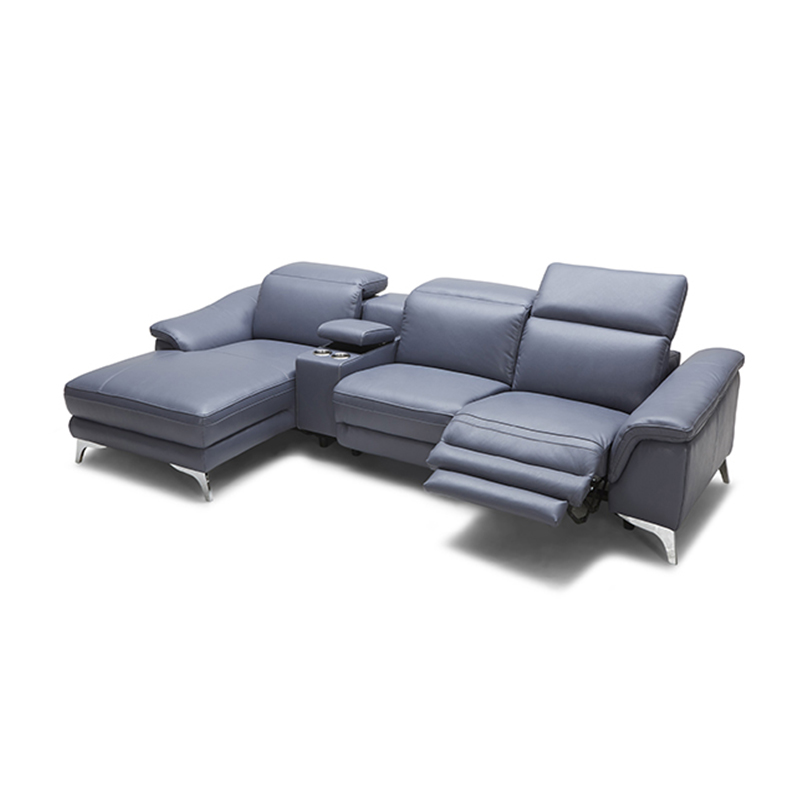
What A Reclining Sofa Is And How It Changes Your Sitting Mechanics
A reclining sofa is a seating system with an adjustable backrest and footrest mechanism. Manual models use a lever or body pressure to move the backrest and raise the leg support. Power models use motors to adjust the backrest and footrest independently, allowing more precise angle control.
From a back-support perspective, what matters is how a recliner changes three mechanical conditions:
Hip angle and pelvic tilt
When the backrest opens and the legs are supported, the hip angle can increase and pelvic rotation can change. This can reduce the tendency to sit in a forward slump for some users.Spinal loading distribution
Upright sitting concentrates pressure through the pelvis and lower back, especially when posture collapses. Reclining can distribute load across the backrest and reduce continuous pressure at one point.Leg support and circulation behavior
When the legs are supported, some users experience reduced pressure at the back of the thighs. That can reduce compensatory posture shifts that often lead to slouching.
A recliner is not a medical device, but it is a posture tool. Its value depends on whether the seat structure holds the body in a stable position rather than allowing uncontrolled sinking.
Key Design Features That Influence Back Comfort
Two recliners can look similar and produce very different back outcomes. The difference is driven by design parameters that control posture alignment and pressure distribution.
Key features that matter for back comfort include:
Lumbar support behavior
The lower back needs contact support that fills the natural curve, especially when reclined. If lumbar support is missing, the pelvis may roll back and the user may slide forward, creating strain at the lower spine.Seat depth and seat height
A seat that is too deep pushes shorter users to slouch so the knees can bend comfortably. A seat that is too high increases pressure under the thighs, which can encourage the user to slide forward, losing lumbar contact.Cushion firmness and resilience
Overly soft cushions can feel comfortable for short periods but often allow the pelvis to sink and tilt backward, flattening lumbar curvature. Balanced resilience helps keep the pelvis stable.Backrest contour and shoulder support
Upper back support reduces the tendency to round shoulders and crane the neck forward, especially during TV viewing or long sitting.Recline angle control and footrest height
If the footrest lifts too high relative to the seat, the pelvis can shift and the lower back loses support. If the recline angle is too aggressive, the user may slide and create shear forces at the lower back.
Back-support feature map
| Feature | What It Controls | Back-Comfort Impact If Poorly Designed |
|---|---|---|
| Lumbar contact | Lower spine curve support | Lower-back fatigue and sliding |
| Seat depth | Pelvis stability and knee position | Slouching and rounded posture |
| Cushion resilience | Pelvic tilt control | Flattened lumbar curve |
| Backrest contour | Upper-back and shoulder support | Neck tension and shoulder rounding |
| Recline and footrest geometry | Whole-body alignment | Shear stress and loss of support |
Are Reclining Sofas Good For Your Back In Daily Use
Recliners can be beneficial for the back when they help users maintain a supported neutral posture and reduce sustained compression from long sitting. Many people experience discomfort on fixed sofas because the seat encourages a collapsed posture with posterior pelvic tilt and rounded shoulders. A recliner can reduce that pattern if it supports the lumbar area and allows the legs to be supported without forcing the user to slide.
Recliners are often helpful for users who:
Spend long periods sitting and need to change posture frequently
Prefer leg elevation to reduce pressure at the thighs and lower back
Experience discomfort when sitting fully upright for extended periods
Need a stable backrest for reading, watching TV, or resting
However, recliners are not automatically good for your back. A recliner can be problematic if:
The seat is too soft and allows deep sinking
The seat depth forces a forward slump for shorter users
The backrest lacks lumbar support and creates a hollow gap at the lower back
The user reclines deeply while the pelvis slides forward and the lower spine loses contact support
The user remains in one reclined posture for many hours without micro-movements
From a practical perspective, a recliner supports the back best when it enables small posture shifts while maintaining consistent lumbar contact. The best outcomes come from ergonomic matching rather than assuming any recliner works for any body type.
How To Sit In A Recliner For Better Back Support
Back comfort is influenced by how you use the recliner. Small adjustments in angle and support contact often make a big difference.
Practical sitting guidance:
Choose a moderate recline rather than maximum recline for long sitting
Moderate angles often provide support while reducing sliding tendency.Maintain lumbar contact
If there is a gap at the lower back, use a small lumbar cushion or adjust the backrest to restore contact.Keep feet supported without forcing the pelvis forward
The footrest should support the calves and feet while allowing the pelvis to remain settled in the back of the seat.Avoid a forward head posture
If you use a recliner for TV viewing, ensure the head and upper back are supported so the neck does not crane forward.Use posture variation
Even a supportive recliner benefits from periodic changes in angle and short standing breaks to reduce sustained load.
These practices matter because back discomfort usually comes from sustained posture with poor alignment, not from a single moment of sitting.
How To Choose A Reclining Sofa If Back Support Is A Priority
If back comfort is a key requirement, selection should be guided by body fit and support behavior, not only appearance.
Selection criteria to prioritize:
Seat depth that matches user leg length so the back can rest against the backrest without slouching
Cushioning that balances comfort and resilience to keep the pelvis stable
Backrest shape that provides lumbar contact and upper-back support
Recline mechanism that allows controlled adjustment rather than only fixed positions
Footrest geometry that supports legs without pulling the user forward
If you are sourcing for hospitality or project installation, consistency across units matters. The same seat geometry and cushion specification should deliver the same posture support across multiple rooms, not vary by production batch.
HANHAN recliner sofas are developed with attention to posture stability, comfort structure, and configuration flexibility for different seating environments. You can explore options here: Recliner Sofa.
Conclusion
Reclining sofas can be good for your back when their design supports lumbar contact, stabilizes the pelvis, and allows you to adjust posture without sliding or collapsing into the seat. The benefits are most noticeable when seat depth fits the user, cushioning has balanced resilience, and recline and footrest geometry maintain whole-body alignment. A recliner can be less helpful if it is too soft, lacks lumbar support, or encourages long periods of slouched posture. The best choice is a recliner that matches your body and usage pattern and supports posture consistency during extended sitting.
If you are selecting recliner sofas for home use, hospitality projects, or furnishing programs and want guidance on seat depth, cushioning feel, back support design, or configuration matching, you can consult HANHAN for support. Share your intended usage scenario, user height range, seating capacity needs, and preferred recline functions, and we can recommend suitable recliner sofa options and provide practical guidance for your project.