



How To Dismantle A Reclining Sofa?
Dismantling a reclining Sofa is not the same as taking apart a standard fixed-frame sofa. Recliners include a metal mechanism, linkage arms, springs, and often electrical components for power recline, USB ports, or control modules. A correct dismantling process protects the frame joints, prevents damage to upholstery and wiring, and avoids misalignment that can cause noise or malfunction after reassembly. Whether you are moving the sofa through narrow doors, replacing a damaged section, or preparing it for service, careful disassembly reduces risk and saves time.
If you are selecting recliner configurations for residential or project use, you can review our product range here: Recliner Sofa
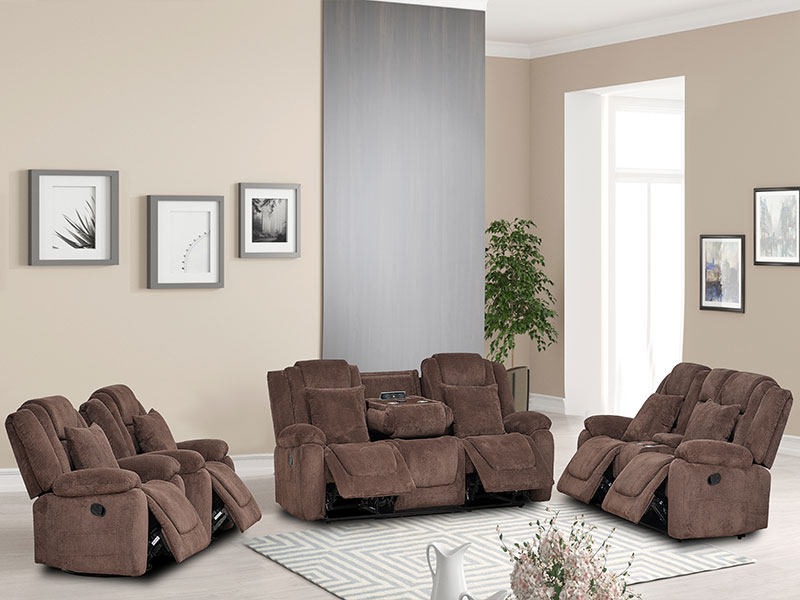
Why You May Need To Dismantle A Reclining Sofa
Most Recliner Sofas are designed to be movable in sections, but they are not designed to be forced through tight openings as one piece. Dismantling becomes the safest option when access constraints or service needs make full-body handling risky.
Common reasons include:
Moving through narrow doorways, staircases, elevators, or tight hallways where the full sofa width cannot pass safely
Reducing weight and improving handling control to prevent damage to walls, floors, and the sofa frame
Replacing a damaged component such as a recliner mechanism, control switch, actuator, or leg assembly
Repairing upholstery, padding, or armrest structures without stressing the full frame
Preparing the sofa for long-distance transport or storage to reduce stress on joints and moving parts
A key point is that improper lifting or dragging can bend linkages, loosen fasteners, or deform brackets. Disassembly avoids those failures and maintains recline alignment.
Preparation And Safety Checks Before You Start
Recliners contain pinch points and stored tension. Preparation is the difference between a controlled process and a damaged mechanism.
Before dismantling, complete these steps:
Clear the surrounding space so the sofa can be tilted and rotated without scraping walls
Protect floors using moving blankets or cardboard sheets, especially if the sofa will be flipped
Put the recliner into a neutral position
Manual recliners should be fully closed. Power recliners should be set to a closed rest position before disconnecting powerUnplug power and remove cables for powered models
Disconnect from outlet, unplug adapters, and detach any external power packPhotograph connection points and fasteners
Photos provide a reliable reference for reassembly, especially for wiring connectors and bracket positionsPrepare hardware storage
Use labeled bags or containers to keep left and right hardware separated
Basic tool and material checklist
| Item | Purpose | Practical Notes |
|---|---|---|
| Screwdrivers and hex keys | Removing panels and brackets | Check head type before starting |
| Socket set or wrench | Mechanism bolts and frame fasteners | Keep sizes organized |
| Needle-nose pliers | Clips, cotter pins, connectors | Useful for tight spaces |
| Zip ties or tape | Bundling wires and labeling | Prevents connector confusion |
| Moving blankets | Protect upholstery and floors | Avoid fabric abrasion |
| Marker and labels | Identifying sections and fasteners | Reduces reassembly errors |
Step-By-Step Process For Dismantling A Reclining Sofa
The exact process depends on whether the sofa is a sectional recliner, a loveseat, or a multi-seat recliner with console. Most recliner sofas follow a similar structure: backrests can be lifted off, sections can be separated, and the mechanism can be accessed after removing upholstery panels.
Identify The Connection Style And Sofa Sections
Start by identifying how the sofa is built:
Single unit recliner sofa with removable backrests
Sectional recliner with interlocking brackets between modules
Console model where center console attaches to adjacent seats
Powered recliner where wiring runs between seats and control modules
This identification determines whether you can separate the sofa into modules first or whether backrest removal should happen first.
Remove Backrests If The Design Allows
Many reclining sofas have removable backs secured by locking levers or slide-in brackets.
Typical backrest removal method:
Locate locking tabs or levers behind the backrest, often accessible from the rear panel
Tilt the sofa forward slightly to reduce tension at the back connection
Unlock the backrest latches
Lift the backrest upward in a straight motion to disengage from brackets
Place backrests on a clean blanket to prevent fabric scuffs
Backrests are usually the safest first removal step because they reduce bulk and weight, making the base easier to handle.
Access Rear Panels And Identify Wiring Routes
If the sofa has power functions, you must manage wiring before separating sections.
Steps for powered models:
Remove rear fabric panels or Velcro-backed covers to expose wiring
Trace connectors between seats, motors, and control switches
Disconnect connectors by releasing tabs
Pulling on wires directly can break terminalsLabel connectors by seat position
This prevents cross-connection during reassemblyBundle loose wiring with zip ties
For manual recliners, this step still matters because the mechanism may include cable routing for release handles or pull tabs.
Separate Modular Sections Using Interlocking Brackets
Sectional recliners commonly use metal hooks and bracket rails that lock modules together.
To separate modules:
Locate the bracket line between modules, often under the seat or behind the arms
Lift the module slightly to relieve bracket tension
Slide the module upward or outward depending on the bracket direction
If a console is present, disconnect any wiring and remove screws securing the console frame
Confirm no fabric is trapped between bracket edges during separation
If the modules resist movement, the most common causes are hidden screws, trapped upholstery, or wiring still connected. Never force separation without confirming these points.
Remove The Reclining Mechanism Only When Needed
If dismantling is for moving only, removing the mechanism is usually unnecessary. If dismantling is for repair or replacement, mechanism removal may be required.
Mechanism removal considerations:
Support the seat base to prevent sudden drop when bolts are removed
Identify pivot points, springs, and linkage arms that may hold tension
Remove bolts in a balanced sequence rather than fully removing one side first
Keep left and right hardware separated because hole patterns can differ
Inspect brackets for deformation before reassembly
Reclining mechanisms are heavy and include sharp edges. Working with two people reduces both injury risk and upholstery damage.
Key Precautions To Avoid Damage And Reassembly Problems
Disassembly errors usually appear later during reassembly as noise, uneven recline, or wiring faults. These precautions prevent the most common issues.
Critical precautions:
Avoid pinching upholstery and foam when separating brackets
Fabric trapped in brackets can tear during movementDo not pull connectors by the cable
Use the connector housing and release the locking tabKeep fasteners matched to their original positions
Different bolt lengths may look similar but can damage wood frames or mechanism components if swappedProtect mechanism arms from bending
Dropping a module on its side can bend linkage arms and cause uneven motionKeep recliner in closed position during handling
An open recliner exposes linkages and increases damage riskUse a two-person lift for large modules
Twisting loads can loosen frame joints and cause squeaks later
Common failure prevention guide
| Risk | What Causes It | Prevention Method |
|---|---|---|
| Torn upholstery | Fabric trapped or dragged | Use blankets, lift rather than drag |
| Miswired controls | Unlabeled connectors | Label and photo all connections |
| Uneven recline | Bent linkage or swapped bolts | Support modules, separate hardware sets |
| Squeaks after reassembly | Loose fasteners or misalignment | Tighten evenly, verify bracket seating |
| Electrical faults | Pinched wires during assembly | Route wires cleanly and secure with ties |
Conclusion
Dismantling a reclining sofa is often necessary for safe moving, service access, or component replacement. The most reliable approach is to prepare the workspace, keep the recliner in a closed neutral position, remove backrests when possible, manage wiring carefully for powered models, and separate modular sections using bracket direction rather than force. For repairs, mechanism removal should be done with balanced bolt removal and proper support to protect linkage alignment. When each step is documented and hardware is organized, reassembly becomes predictable and long-term performance remains stable.
If you are unsure which dismantling method matches your sofa configuration or need guidance on modular connections, wiring management, or safe handling during transport, you can consult our team for support. Share your recliner sofa model type, seat count, and whether it is manual or powered, and we will provide practical guidance and help you choose the right recliner sofa configuration for your project needs.