



Down-Filled Vs. Foam: Which Sofa Is Comfier?
Comfort is not a single feeling. Some people define comfort as a Sofa that hugs the body and feels soft the moment you sit down. Others define comfort as support that keeps the spine aligned, prevents sagging, and still feels pleasant after hours of sitting. That is why the down-filled vs. foam discussion stays popular in the furniture market. Down has a well-known plush, cloud-like reputation, while foam is often associated with structure and resilience.
In daily life, comfort depends on how a sofa handles pressure distribution, how quickly it rebounds, how consistent it stays across the whole seat, and how much maintenance it requires to remain comfortable. In those categories, a well-designed foam sofa often provides a more stable and predictable comfort experience, especially for people who use their sofa every day.
If you want to learn more about our Lounge Sofa options and foam-based comfort design, you can explore our product page here: lounge sofa
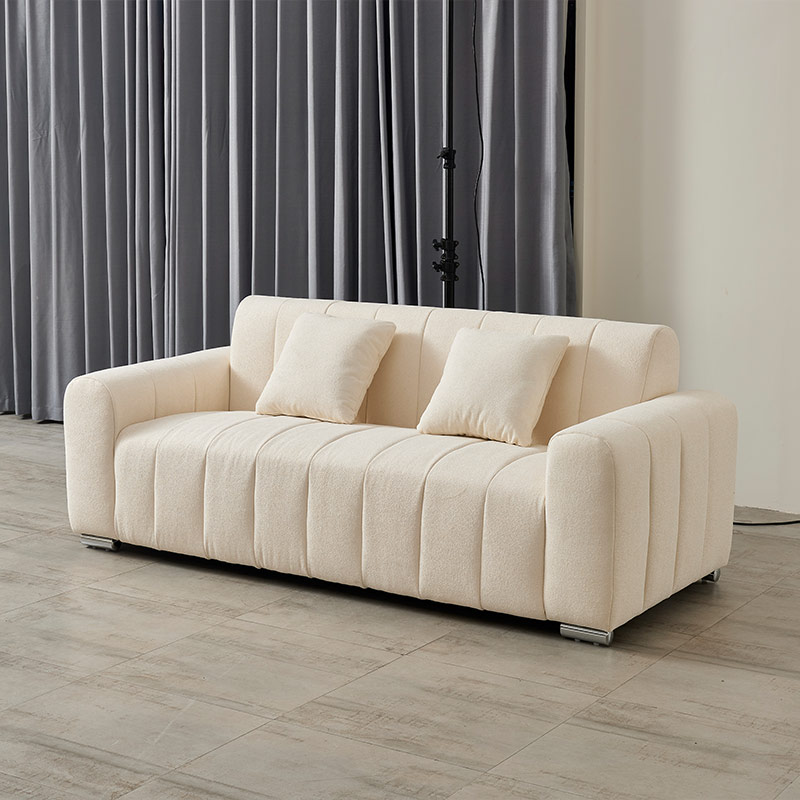
1. What Most People Mean by Comfort in a Sofa
Comfort usually includes three layers that show up at different moments of use. The first is initial softness, the feel when you first sit down. The second is support over time, how your hips, lower back, and shoulders feel after extended sitting. The third is consistency, whether the seat feels the same in different spots and whether it still feels good after months of daily use.
Down-filled sofas tend to score high on initial softness because down compresses easily and creates a plush surface feel. Foam sofas can also be soft, but their comfort is typically engineered through foam density, thickness, and structure. When foam is selected and layered correctly, it can provide a balanced feel: a welcoming surface with a supportive core that keeps the body from sinking too deeply.
For many households, the long-term layers of comfort matter more than the first impression. A sofa used for reading, working, watching movies, and everyday lounging needs support and consistency, not only softness.
2. Down-Filled Comfort: Plush Feel With More Maintenance
Down is known for a relaxed, sink-in sensation. It can feel luxurious because it conforms quickly and gives the seat a cloud-like touch. However, that same compressibility creates a common trade-off: down can shift, compress unevenly, and require regular fluffing to restore its shape.
In real use, a down-filled sofa often develops comfort variations. The seat may feel softer in areas used most frequently, and the back cushions may lose loft unless they are adjusted. This does not mean down is low quality. It means the comfort profile is more dynamic and depends more on daily upkeep. Some people enjoy that relaxed feel and do not mind maintenance. Others find it inconvenient, especially if they want the sofa to look tidy and feel consistent without constant adjustment.
Down also tends to be more sensitive to user weight distribution. Heavier daily use can lead to faster compression in specific zones, which can change posture support over time.
3. Foam Comfort: Stable Support and Predictable Relaxation
Foam comfort is often misunderstood as firm or rigid, but modern foam sofas can be designed to feel soft while staying supportive. The key advantage of foam is predictability. Foam cushions maintain their shape more consistently, rebound more reliably after use, and provide a more stable sitting platform.
A foam sofa can be tuned for different comfort preferences by adjusting foam density, layering, and thickness. Softer top layers can create a welcoming initial feel, while a supportive foam core prevents the deep sink that can strain the lower back during longer sitting sessions. This balance is often preferred by people who want lounge comfort without losing posture support.
Foam also supports consistent comfort across the full seat area. If multiple people use the sofa daily, foam can help prevent the “favorite seat” from becoming noticeably different in feel compared to other spots.
4. Sitting Posture and Back Support: Why Foam Often Wins Long-Term
A sofa that feels soft at first can become uncomfortable if it does not support the body in a stable way. When the hips sink lower than the knees, the pelvis tilts and the lower back can lose support. Over time, this posture can feel tiring even if the seat feels plush.
Down-filled seats can allow deeper sinking depending on fill volume and cushion structure. Foam seats, especially when designed with a supportive base layer, can keep the sitter more level. That improves comfort for longer sessions and reduces the need to constantly reposition.
Back cushions also affect posture. Down back cushions can feel very relaxed but may require adjustment to maintain consistent lumbar support. Foam-based back support typically stays more consistent, which can be a strong advantage for people who lounge daily or use the sofa for long movie sessions.
5. Everyday Practicality: Shape Retention and Visual Neatness
Comfort is not only how the sofa feels. It is also how it performs as part of daily living. A sofa that quickly looks messy can create friction in the home, especially in shared spaces.
Down-filled cushions often look more relaxed and can develop a rumpled appearance unless they are fluffed. Many households accept that as part of the aesthetic. Others prefer a cleaner, more structured look that stays consistent with minimal effort.
Foam sofas generally hold their shape better. The seat and back typically remain more uniform, and the sofa maintains a tidy profile with less daily maintenance. This is especially important for open-plan living rooms, small apartments, or homes where the sofa is visible from multiple areas.
6. Temperature Feel, Breathability, and Seasonal Comfort
Some buyers assume down is always better for breathability. In reality, breathability depends on upholstery fabric, cushion design, and how the interior material handles airflow. Down can trap warmth in certain constructions. Foam can also retain heat depending on the foam type and cover materials.
A well-designed foam sofa can support comfortable daily use across seasons when paired with suitable upholstery and cushion structure. The benefit is that the feel remains consistent. Down comfort can shift more with humidity and compression, which changes how plush it feels day to day.
The key takeaway is that material alone does not determine temperature comfort. The overall cushion system does. Foam gives manufacturers more precise control of that system, which is part of why foam-based sofas are often designed for repeatable comfort.
7. Why HANHAN Focuses on Foam Sofas for Lounge Comfort
HANHAN sofas are built around foam-based comfort systems because foam allows more controlled engineering of the sitting experience. Instead of relying on a material that shifts significantly over time, foam supports a more stable balance between softness and support. This approach is particularly suitable for lounge sofas, where users expect long sitting sessions, relaxed posture, and consistent comfort without constant maintenance.
HANHAN foam sofa advantages include:
Consistency over time: foam helps maintain uniform feel across the seating area with less daily adjustment.
Supportive lounge comfort: foam structures can be designed to provide softness while preventing excessive sink.
Shape retention: a cleaner, more structured appearance that stays neat through daily use.
User-friendly ownership: reduced need for fluffing and reshaping compared with down-heavy cushions.
Customization and configuration also matter for comfort. Foam sofas can support comfort tuning through seat depth, cushion structure, and layout planning, helping different households find the feel that matches their lifestyle.
If you want to explore foam-based lounge comfort options, configurations, and available styles, you can view our products here: lounge sofa
8. Down-Filled vs. Foam Sofa Comfort Comparison
| Comfort Factor | Down-Filled Sofa | Foam Sofa |
|---|---|---|
| First-sit softness | Softer, more sink-in feel | Adjustable, can be soft with stable core |
| Support for long sitting | Can vary, depends on fill and structure | More consistent support and posture stability |
| Shape retention | Lower, often needs fluffing | Higher, maintains a cleaner profile |
| Daily maintenance | Higher, cushions may shift | Lower, less reshaping needed |
| Consistency across seats | Can develop uneven feel | More uniform comfort across modules/seats |
| Best fit for | Buyers who love plush, relaxed feel | Buyers who want stable, predictable comfort |
Conclusion
Down-filled and foam sofas can both be comfortable, but they deliver different kinds of comfort over time. Down tends to provide a softer first impression and a relaxed aesthetic, while foam delivers more predictable support, better shape retention, and a comfort feel that stays consistent with daily use. For many households, especially those who lounge often and want comfort without constant cushion maintenance, foam-based sofas offer a more reliable long-term comfort experience.
HANHAN focuses on foam lounge sofa design to provide stable lounge comfort that stays supportive, consistent, and easy to live with. If you need more product details or want to explore foam lounge sofa options, you can visit our product page here: lounge sofa