


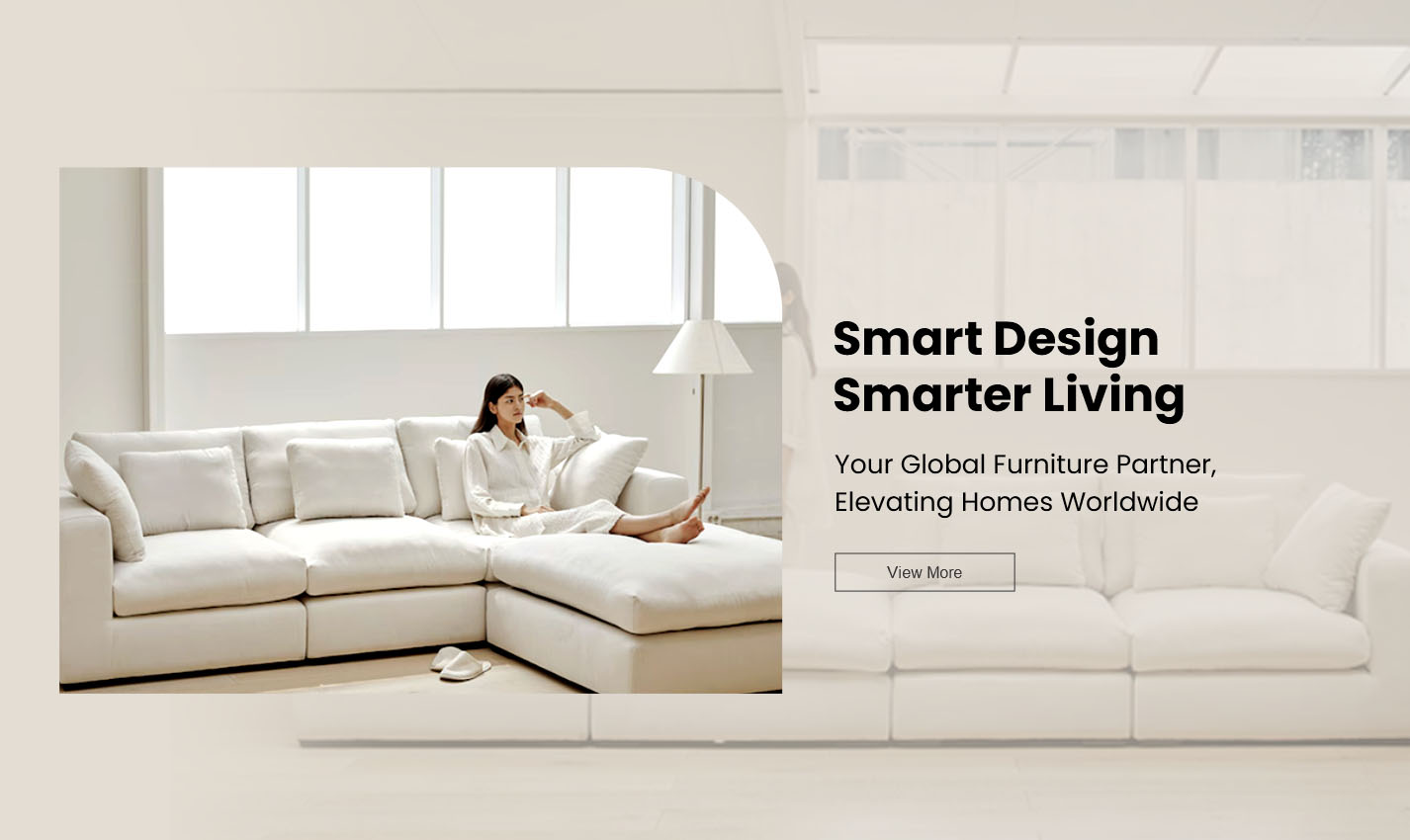
How to Custom a Lounge Sofa?
Customizing a lounge Sofa is the most reliable way to achieve real comfort, proper room fit, and long-term satisfaction. Lounge Sofas are designed for extended sitting and relaxed postures, which means mistakes in depth, height, or structure become obvious very quickly. A well-customized lounge sofa supports the body naturally, fits the space without crowding, and maintains its comfort over years of daily use.
This guide explains how to custom a lounge sofa step by step, from space planning to comfort dimensions and material selection. If you are exploring lounge-specific designs with customization potential, you can refer to HANHAN lounge sofas as a practical starting point.
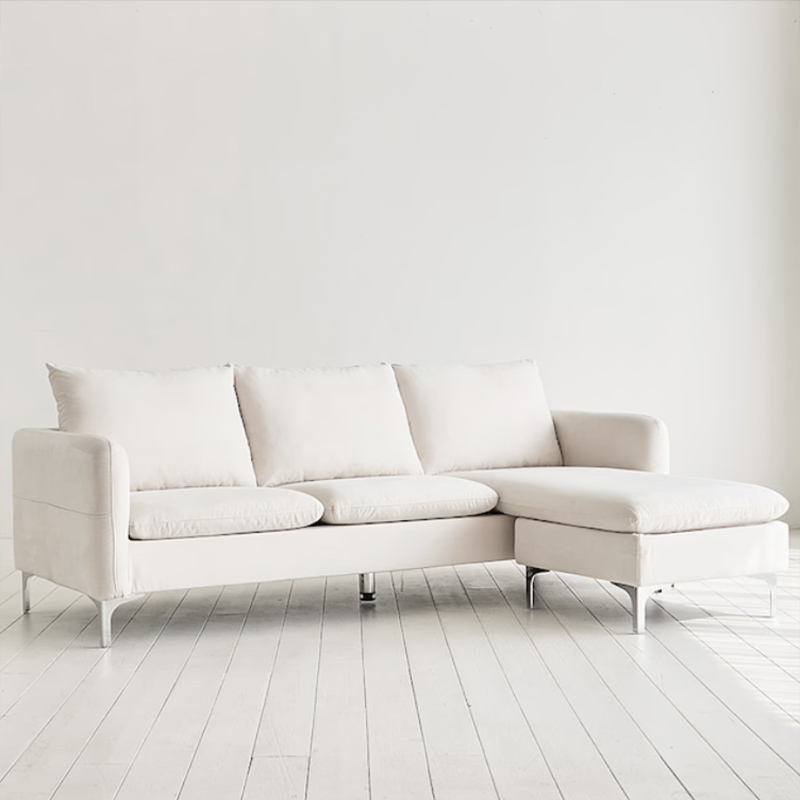
What Defines a Lounge Sofa and Why Customization Matters
A lounge sofa differs from a standard sofa in both function and proportions. It is designed for relaxation rather than upright sitting.
• Deeper seating that supports lounging and legs-up positions
• Softer visual lines that create a relaxed atmosphere
• Wider seating areas for flexible postures
• Cushion systems designed for long sitting rather than short use
Customization matters because body size, room scale, and daily habits vary widely. A lounge sofa that feels perfect for one space or user may feel uncomfortable or oversized in another.
Planning the Space Before Choosing a Design
Space planning should always come before fabric or style selection. Lounge sofas tend to be larger and visually heavier than standard sofas.
Floor footprint and circulation
• Measure maximum allowable length and depth
• Leave comfortable walkways around the sofa
• Avoid blocking doors, windows, or main traffic paths
Vertical and visual balance
• Check window sill heights and wall features
• Confirm back height does not block light or views
• Ensure the sofa does not visually overwhelm the room
Delivery and installation constraints
• Measure elevators and stairwells
• Confirm turning space for sectional modules
• Consider modular designs for tight access areas
Careful planning at this stage prevents costly size adjustments later.
Choosing the Right Lounge Sofa Layout
Layout determines how the sofa will actually be used day to day.
• Straight lounge sofa
Suitable for compact spaces and minimal layouts. Easier to place and visually clean.
• chaise lounge sofa
Ideal for TV viewing and reading. Allows full leg extension but requires clear orientation planning.
• L-shaped sectional
Works well in family rooms and open layouts. Supports multiple seating positions and social interaction.
• U-shaped sectional
Best for large living areas where group lounging is the priority.
Layouts shown in HANHAN lounge sofas can be treated as flexible frameworks rather than fixed designs.
Customizing the Core Comfort Dimensions
Comfort is controlled by specific measurements, not appearance. These dimensions should be customized carefully.
• Seat depth
Controls lounging comfort. Too deep reduces back support for shorter users. Balanced depth supports both sitting and reclining.
• Seat height
Affects ease of standing up. Lower heights feel more relaxed, while slightly higher seats improve leg support.
• Back height and back angle
Influence spinal alignment. A gentle recline enhances lounge comfort, but lumbar support remains essential.
• Cushion firmness
Overly soft cushions cause sinking and fatigue. Overly firm cushions reduce relaxation. Layered foam systems offer the best balance.
A professional manufacturer should guide these choices based on usage scenarios.
Selecting Materials Based on Real Use
A lounge sofa experiences constant contact, compression, and friction. Material choice directly affects durability.
Upholstery options
• Leather for a premium look and easy cleaning
• Performance fabric for stain resistance and daily use
• Textured woven fabric to hide wear and marks
• Velvet-like fabric for softness, with higher care requirements
Internal structure
• High-density foam to maintain shape
• Solid frame construction to prevent deformation
• Stable suspension systems to reduce sagging
When customizing through HANHAN lounge sofas, upholstery and structure should always be evaluated as a complete system.
Functional Design Details That Affect Daily Use
Design details influence both comfort and maintenance.
• Armrest design
Wide arms add lounging comfort, while slim arms save space.
• Cushion configuration
Single bench cushions create a clean look. Multi-cushion designs allow rotation and easier replacement.
• Back cushion style
Loose cushions offer adjustable comfort. Fixed backs look neat but require proper ergonomic shaping.
• Leg height
Higher legs simplify cleaning. Lower legs create a grounded lounge appearance.
These details should support how the sofa is actually used, not just how it looks.
Color and Finish Confirmation
Color selection should always be tested in the actual environment.
• Check samples in daylight and evening light
• Match tones with flooring and wall colors
• Confirm color stability for future reorders
Lighting conditions can significantly change how a fabric or leather appears once installed.
How HANHAN Supports Lounge Sofa Customization
HANHAN lounge sofas are designed with lounge-specific usage in mind and offer flexibility for customization.
• Lounge-oriented base designs
• Flexible layout and size options
• Material and comfort customization
• Stable production for repeat orders
• Clear communication for project alignment
This approach helps ensure the final product matches both spatial and comfort expectations.
Conclusion
Customizing a lounge sofa is about more than selecting fabric or color. It requires careful space planning, thoughtful layout selection, precise comfort dimensions, and materials chosen for real daily use. When each step is handled correctly, the result is a lounge sofa that fits the room, supports the body, and remains comfortable over time.
For residential or project applications that require both comfort and customization flexibility, HANHAN lounge sofas provide a solid foundation for achieving a well-balanced lounge seating solution.